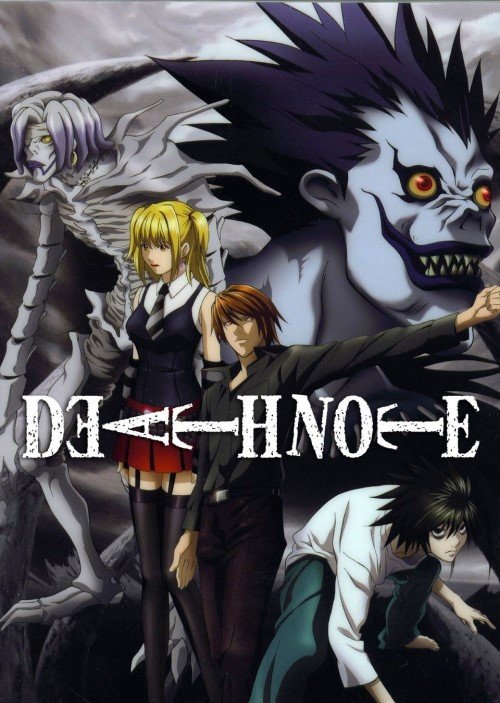
“Death Note” stands as one of the most gripping and intellectually stimulating anime series ever created. With its intricate plot, complex characters, and moral dilemmas, it has captivated audiences around the globe. In this blog post, we embark on an exploration of this psychological thriller, delving into its thought-provoking themes, unforgettable characters, and the ethical quandaries it presents.
Unveiling the Death Note: A Supernatural Catalyst
The story begins when a brilliant high school student named Light Yagami discovers a mysterious notebook known as the Death Note. This supernatural artifact grants its wielder the power to kill anyone whose name is written within its pages. As Light grapples with the moral implications of this power, he embarks on a mission to cleanse the world of criminals and create a utopian society. However, this pursuit of justice raises profound questions about the nature of good and evil, the limits of power, and the consequences of playing God.

The Battle of Wits: Light vs. L
One of the most compelling aspects of “Death Note” is the riveting cat-and-mouse game between Light and the enigmatic detective known only as L. L becomes suspicious of the sudden wave of unexplained deaths and sets out to uncover the identity of the mysterious vigilante known as Kira. What follows is an intense battle of wits, as Light and L engage in a psychological chess match, each trying to outmaneuver the other. The intricate strategies, mind games, and surprising plot twists keep viewers on the edge of their seats.
Moral Ambiguity: Shades of Gray
“Death Note” delves deep into the gray areas of morality, blurring the lines between right and wrong. As Light succumbs to the seductive power of the Death Note, his initial intentions of justice become twisted and corrupted. The series challenges viewers to question their own sense of morality and contemplate the ethical implications of wielding such immense power. Through the intricate character development and the exploration of Light’s descent into darkness, “Death Note” forces us to confront the complexities of human nature and the potential for corruption.
Death Note: Themes of Justice and Hubris
The concept of justice is at the core of “Death Note.” The series raises important questions about the nature of justice, the price of vengeance, and the inherent flaws of any system that grants absolute power. As Light takes on the role of judge, jury, and executioner, the boundaries between justified punishment and hubris become increasingly blurred. The consequences of playing God and the moral dilemmas faced by the characters serve as cautionary tales, reminding us of the dangers of unchecked power and the fragility of justice.
“Death Note” weaves a masterful narrative that challenges our perceptions, ignites philosophical debates, and keeps us on the edge of our seats. Through its morally ambiguous characters, intricate plot twists, and profound exploration of justice and power, the series has left an indelible mark on the anime landscape. Whether it’s the battle of wits between Light and L or the unsettling moral choices faced by the characters, “Death Note” continues to captivate and provoke thought long after the final episode concludes.